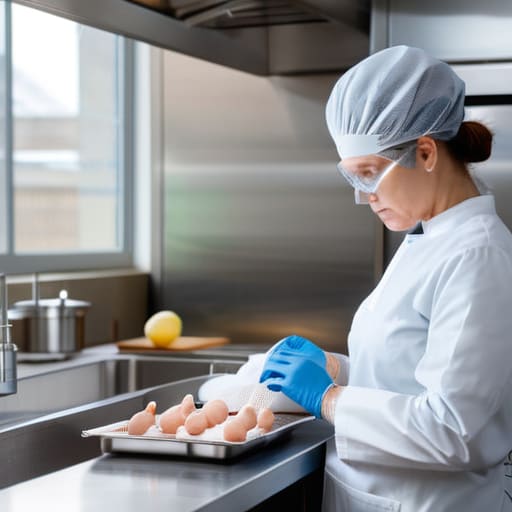
I remember standing in a school kitchen during a Tuesday lunch rush, the air thick with steam and the frantic clatter of stainless steel, watching a junior chef reach for a cutting board that looked suspiciously similar to the one used for raw chicken just minutes before. It wasn’t a lack of training that caused the near-miss; it was the sheer, chaotic exhaustion of a team trying to keep up. Most people will tell you that buying a fancy, expensive set of kits is a magic bullet, but they miss the point of how colour coded equipment helps in a real, high-pressure environment. It isn’t about having the prettiest drawer in the kitchen; it’s about creating a visual shorthand that works even when your brain is fried by 1:00 PM.
I’m not here to sell you on a high-priced inventory list or some theoretical manual that gathers dust on a shelf. I want to talk about the practical, slightly messy reality of implementing these tools when you’re short-staffed and overstretched. I will show you which systems actually stick during a rush and which ones are just expensive clutter, so you can build a safety net that your team can actually sustain.
Table of Contents
Cutting Through the Chaos With Colour Coding System Benefits
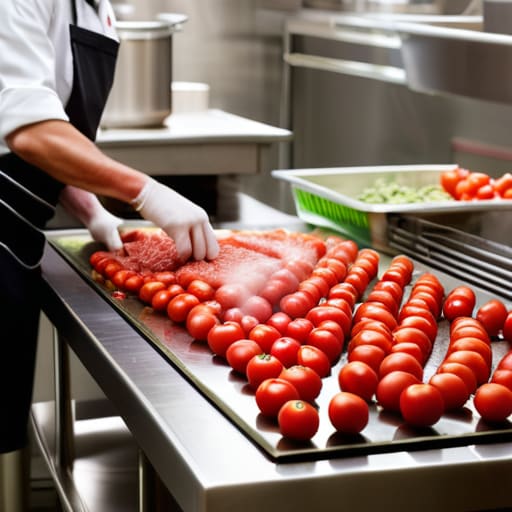
When a service is hitting its peak and you’ve got fifty hungry kids lined up at the hatch, nobody has the mental bandwidth to double-check if that cutting board was used for raw chicken or a tomato. That is exactly where the system earns its keep. It isn’t about being fancy or following a manual for the sake of it; it’s about providing a visual shorthand that works when the brain is tired. By implementing a clear system, you aren’t just adding another task to the list—you are building a fail-safe for cross-contamination prevention that doesn’t rely on someone being perfect every single second.
The real beauty of this approach is how it simplifies your training and your audits. Instead of explaining the nuances of every single ingredient, you teach your team to recognize a colour. It turns a complex concept into a split-second decision. This level of consistency is what keeps your kitchen hygiene protocols from collapsing during a rush, and it makes your life infinitely easier when you’re sitting down to review your HACCP documentation. It moves the responsibility from “I think I used the right knife” to “I know I used the right knife.”
Real World Cross Contamination Prevention for Busy Teams
I’ve stood in kitchens mid-service where the energy is frantic, the tickets are piling up, and everyone is moving at a hundred miles an hour. In that kind of chaos, “remembering the rules” isn’t a strategy; it’s a prayer. This is exactly where preventing allergen transfer becomes a physical reality rather than just a line in a manual. If a prep cook reaches for a knife to slice raw chicken and then grabs the first available board to chop salad, your training has failed them. But if that board is a bright, unmistakable blue and the chicken board is red, you’ve built a visual barrier that works even when the brain is tired.
A solid system isn’t about adding more chores; it’s about making the right choice the easiest one. When you implement these tools, you aren’t just ticking a box for food safety standards; you are giving your team a way to succeed under pressure. I don’t want to see a perfect, sterile kitchen that collapses the moment a delivery arrives late. I want to see a kitchen where the equipment itself acts as a silent supervisor, ensuring that cross-contamination prevention is baked into the rhythm of the service.
Making it Work When the Lunch Rush Hits
- Don’t overcomplicate the palette. If you try to introduce twelve different colours for every specific vegetable, your staff will just revert to whatever board is closest to their hand. Stick to the essentials: red for raw meat, blue for raw fish, green for veg, and yellow for cooked poultry. Keep it simple enough that a tired teenager can make the right choice in half a second.
- The “Visual Handover” trick. Colour coding isn’t just about the boards; it’s about the eye. When I walk into a kitchen, I don’t want to see a pile of mixed equipment in the wash area. I want to see that the blue boards are clearly separated from the green ones. If the colours are all jumbled in the sink, the system has already failed.
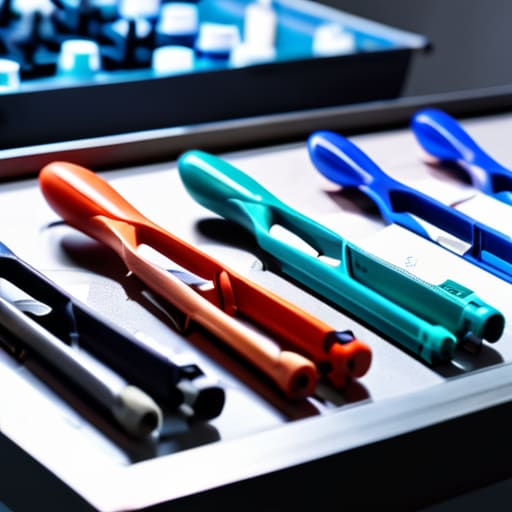
- Audit the “grey areas” immediately. The biggest risk isn’t the red board; it’s the unlabelled knife that looks like it could be for anything. Make sure your colour coding extends to your knives and perhaps even your chopping mats. If a staff member has to guess which tool is “safe” for a prep task, you’ve already lost the battle against cross-contamination.
- Train for the ‘Why’, not just the ‘What’. I’ve seen plenty of kitchens where staff use the wrong board because they think it’s “just a bit of chicken.” They need to understand that one stray bit of protein on a salad board is exactly how a child ends up in A&E. If they understand the consequence, they’ll actually bother to find the right colour.
- Check your kit’s condition weekly. A colour-coded board that is deeply scored and stained is a liability, not a control. If the grooves are so deep that they’re holding onto old bacteria, the colour doesn’t matter—the board needs to be scrapped. Replace them before they become a breeding ground rather than a safeguard.
The Bottom Line: Making it Stick
Don’t overcomplicate the kit; pick a system that actually makes sense for your specific workflow, or your team will just ignore it when the lunch rush hits.
Colour coding isn’t just about being tidy—it’s your most reliable fail-safe against a single stray ingredient causing an allergen crisis during a service.
If you can’t sustain the system every single day, you don’t have a system; choose fewer, more meaningful colour distinctions that your staff can actually remember under pressure.
Frequently Asked Questions
What happens if a staff member grabs the wrong colour board when they're in the middle of a frantic lunch rush?
If they grab the wrong board during a rush, you’ve got a problem, but it’s a human one. It happens. When the tickets are piling up, eyes glaze over. My advice? Don’t just rely on the colour; make the physical distinction part of the muscle memory. If they slip up, you don’t just wipe it down—you stop, identify the cross-contact risk, and reassess. A mistake in the heat of service is a teaching moment, not just a cleaning task.
Is it actually worth the extra cost to buy a full set of colour-coded kit, or is it just another thing for the budget to swallow?
I get this question every single week. If you’re looking at the invoice and seeing a massive jump in kit costs, I understand the hesitation. But here is the reality: you aren’t just buying plastic boards; you’re buying insurance against a catastrophic allergen error. A single mistake during a busy lunch service costs far more in reputation, legal headaches, and student safety than a full set of boards ever will. Buy the kit. It’s a one-time cost for a permanent safety net.
How do I make sure my team actually uses the system instead of just treating the different colours like a suggestion?
If you leave it to chance, they won’t use it. In a rush, a red board is just a board. You have to make the system part of the rhythm, not an extra chore. Don’t just hand out the kit; show them exactly which board hits which surface during prep. Most importantly, stop ignoring the small slip-ups. If you see a blue board near raw poultry and say nothing, you’ve just told them the system is optional.