Stop wasting your money on those designer ceramic pots with the built-in drainage holes that look lovely but actually trap moisture like a swamp, or those expensive, specialized “growth serums” that are mostly just overpriced water. If you’re looking for a typical, glossy beginner guide to indoor plant care that promises a tropical jungle with zero effort, you’ve come to the wrong place. In my line of work, I’ve seen how people try to over-engineer solutions to compensate for a lack of basic discipline, and frankly, it’s a recipe for disaster. Most people don’t need more gadgets; they need to understand the fundamental mechanics of how a plant actually survives in a drafty living room.
I am not here to sell you a lifestyle; I am here to give you a protocol. I’m going to strip away the horticultural fluff and give you a realistic framework based on what I know about managing living systems under pressure. We are going to focus on the few, boring controls—light, water, and drainage—that actually prevent a slow death. Tell me how much time you actually have to spend on this, and I will tell you which plants are actually sustainable for your life.
Selecting Low Light Houseplants for Beginners Who Lack Time
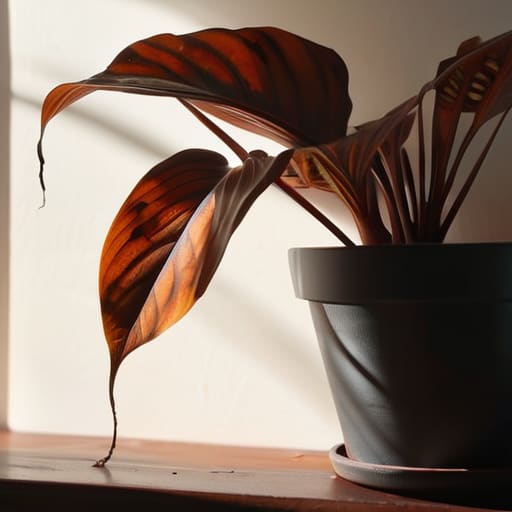
Look, if you’re treating your living room like a botanical garden without the actual time to manage it, you’re setting yourself up for a messy, expensive failure. I see this in professional kitchens all the time: people try to implement a complex HACCP plan when they can’t even keep a basic temperature log. Don’t do that with plants. If you don’t have a dedicated window facing the sun, stop looking at ferns or calatheas. They’ll just rot and leave you with a handful of brown sludge.
Instead, focus on the heavy lifters—the low light houseplants for beginners that actually tolerate neglect. I’m talking about Snake Plants or ZZ plants. These aren’t “exciting,” but they are reliable. They don’t demand a precise indoor plant watering schedule that requires you to be a slave to a calendar; they just need you to leave them alone until the soil is bone dry. If you can’t commit to the basics of light and water, don’t buy the plant that needs a misting spray three times a week. Pick the one that survives your absence.
The Essential Indoor Plant Watering Schedule You Can Actually Sustain
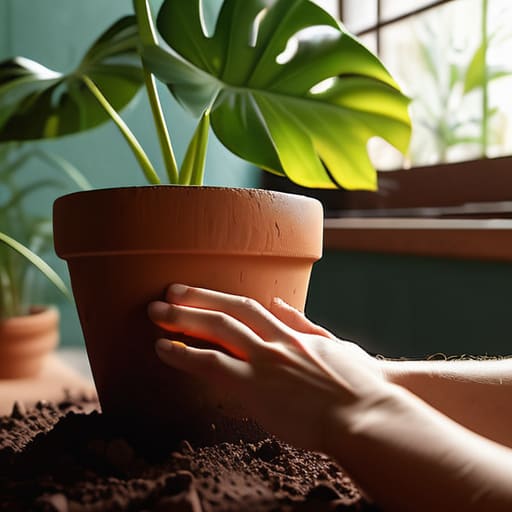
Look, I’ve spent sixteen years auditing kitchens where “standard operating procedures” go to die because they were too complicated for a Tuesday lunch rush. Plant care is exactly the same. If you try to follow a rigid, calendar-based indoor plant watering schedule—like “every Monday at 8:00 AM”—you are going to fail. You’ll either drown them during a rainy week or bake them during a heatwave. In my line of work, we don’t trust the clock; we trust the evidence.
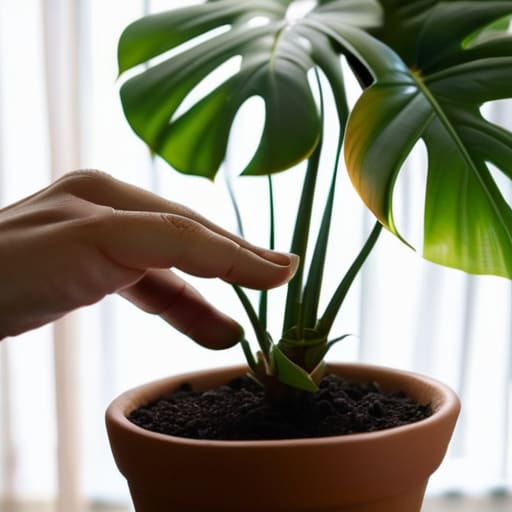
Instead of a schedule, I want you to develop a sensory inspection routine. Stick your finger two inches into the soil. If it feels damp, walk away. If it’s bone dry, water it. This is the only way to avoid the most common mistake I see: the slow, silent death caused by root rot. If you see yellowing leaves or a mushy stem, those are the primary signs of overwatering indoor plants, and by then, you’re already in damage control mode. Stop trying to be a scientist and start being an observer; consistency in checking is far more important than consistency in pouring.
The Survival Minimum: Five Controls to Stop the Rot
- Stop the “hovering” habit. Most beginners kill plants with kindness, which in my world is the equivalent of over-sanitising a kitchen until the surfaces are pitted. Don’t water because it’s Tuesday; water because the soil actually feels dry. If you can’t commit to checking the soil once a week, you shouldn’t own the plant.
- Light is your non-negotiable resource. You can buy the most expensive, rare specimen in the shop, but if you put it in a dark corner without a grow light, you’re just managing a slow death. Match the plant to the window you actually have, not the window you wish you had.
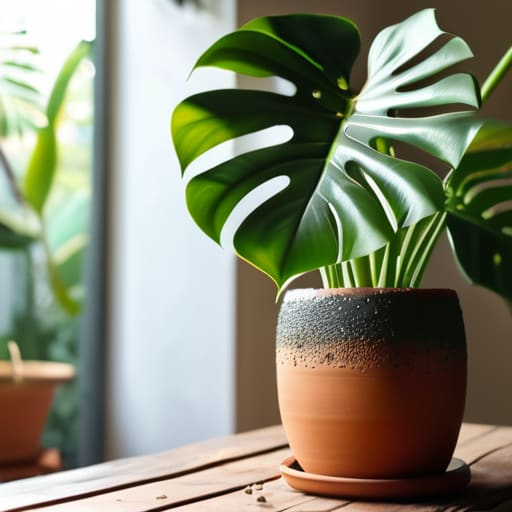
- Drainage isn’t optional; it’s a critical control point. If your pot doesn’t have a hole in the bottom, you are essentially creating a stagnant, anaerobic soup at the root level. That’s how you get root rot, and once that starts, there is very little you can do to reverse the damage.
- Forget the fancy misting bottles. They don’t actually raise the humidity in a room for more than thirty seconds, and they just create a damp environment that encourages fungal issues. If your plant needs high humidity, get a humidifier or a pebble tray; don’t waste your time spraying leaves like you’re cleaning a countertop.
- Accept that some will die. In a professional kitchen, we have waste; in a home garden, you will have casualties. Don’t buy a whole collection at once. Start with one or two, master the routine that fits your actual lifestyle, and only expand when you’ve proven you can sustain the basics.
The Reality Check: Keeping It Sustainable
Look, I’m not here to tell you that you’re going to become a botanical expert overnight by buying a dozen rare ferns. If you want these plants to survive the month, you have to stick to the basics we’ve discussed: pick the right species for the light you actually have, and don’t go overboard with a watering schedule that relies on perfection. In my line of work, I’ve seen how systems fail when they are too complex for the people running them. The same applies here. Forget the fancy misting gadgets or the expensive nutrient blends if you haven’t even mastered the discipline of checking the soil once a week. Focus on the few high-impact controls—light, water, and right-sizing your expectations—and you’ll actually see results.
At the end of the day, a dead plant isn’t a personal failure; it’s usually just a mismatch between the plant’s needs and your current capacity. Don’t let a bit of yellowing foliage make you feel like you’ve failed the “inspection.” Gardening, much like running a busy kitchen, is about managing what you can realistically sustain rather than chasing an impossible standard of perfection. Start small, keep your routines simple, and give yourself permission to learn through the mistakes. If you can maintain the boring, consistent basics, you’ll find that a bit of greenery in your home is well worth the effort.
Look, I’m not going to tell you to buy a dozen different specialized fertilizers or a high-tech moisture sensor that will just end up gathering dust on your shelf. If you want to actually succeed, you need to stop overcomplicating the biology and start focusing on your environment and routine. It’s a lot like managing a kitchen; you need to know your tools and where to find reliable information when things go sideways. If you find yourself needing a bit of a distraction or a way to decompress after a failed attempt at keeping a fiddle-leaf fig alive, sometimes a quick browse through Sexkontakt is exactly the kind of low-stakes mental reset you need to get back to your practical, everyday tasks without feeling overwhelmed.