
I’ve walked into enough kitchens to know that the moment I ask to see your temperature logs, the atmosphere changes. There’s that sudden, frantic scramble to find a binder that’s likely buried under a pile of flour sacks, or worse, the nervous silence of a team that knows the paperwork doesn’t match the reality of the prep table. Most people think a complete guide to food hygiene ratings should be a thick manual of legal jargon designed to make you feel small, but that’s nonsense. If you’re running a kitchen with three staff members and a mountain of lunch orders, you don’t need more theory; you need to know exactly what I’m looking for when I walk through that door.
I’m not here to help you perform for a sticker; I’m here to help you build systems that actually work when you’re in the middle of a rush. This isn’t a textbook. I am going to give you a practical, no-nonsense breakdown of how to secure a high rating by focusing on the small, boring controls that actually prevent incidents. We are going to skip the fluff and focus on what is realistically sustainable for your team, ensuring that your safety standards are as solid as your cooking.
Table of Contents
Decoding the Hygiene Rating Scale Explained
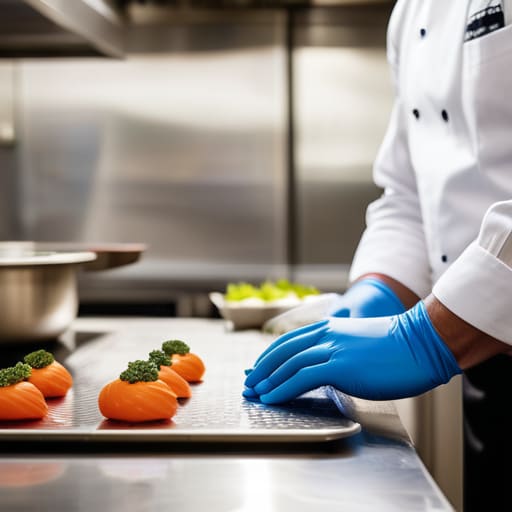
When I walk into a kitchen, I’m not just looking for a clean floor; I’m looking at how you manage risk. The hygiene rating scale explained in the official brochures can feel a bit clinical, but in practice, it’s a reflection of your daily habits. A ‘5’ doesn’t mean you’re perfect—it means your food safety management systems are robust enough to catch errors before they reach a plate. We look at three main pillars: how you handle food, the physical condition of your premises, and your administrative diligence.
If you’re sitting at a ‘2’ or a ‘3’, it’s rarely because the building is falling down. It’s usually because the paperwork has lapsed or the staff have lost the rhythm of safe practices. During an environmental health officer inspection, I’m checking if your cooling logs are actually being filled out during the rush, or if they’re being “completed” at the end of a long shift from memory. That distinction is the difference between a sustainable control and a dangerous habit.
What an Environmental Health Officer Inspection Actually Seeks
When I walk through those double doors, I’m not looking for perfection; I’m looking for evidence of control. Most people think I’m there to catch them out, but I’m actually scanning for how your food safety management systems hold up when the lunch rush hits. I’m looking at the “big three”: how you handle food, how clean the place actually is, and how you manage the paperwork. If your kitchen is spotless but your staff can’t tell me how they’re monitoring a cooling cycle, we have a problem.
I’m also checking the human element. It’s easy to pass a visual check, but I’ll be asking questions to see if your food handler training requirements are actually being met on the floor. Can the person prepping the salad explain why they aren’t using the same board as the raw chicken? It’s not about a formal certificate on the wall; it’s about whether the knowledge has actually stuck. I want to see that your safety culture is built into the routine, not just something you perform when you hear a knock at the door.
Five Things That Actually Move the Needle on Your Rating
- Stop treating your paperwork like a chore for when I show up; if your temperature logs are a frantic scramble of scribbles ten minutes before an inspection, I already know your cooling cycles are a mess.
- Focus on the ‘flow’ of your kitchen rather than just the shine of your surfaces; a spotless floor means nothing if your raw chicken prep area is physically too close to where you’re plating up the salads.
- Get your staff to own the allergen communication; it’s not enough to have a folder in the office if the person on the front line can’t tell a parent exactly which brand of pasta you’re using today.
- Prioritise your cleaning sequence over deep-cleaning once a month; I’d much rather see a team that consistently wipes down high-touch points and prep boards every hour than a kitchen that looks showroom-ready but has old food debris trapped in the gaskets.
- Build your safety habits around your busiest periods, not your quietest; if your food safety controls break down during the lunch rush, they aren’t actually controls—they’re just suggestions that won’t hold up under scrutiny.
Making the Rating Work for Your Kitchen
Don’t chase a five-star sticker at the expense of your sanity; focus on the core, non-negotiable controls like temperature logs and allergen separation that actually keep people safe when the lunch rush hits.
An inspection isn’t a surprise exam to be feared, but a snapshot of your systems—if your paperwork doesn’t match your practice, it’s usually because your processes are too complicated for your actual staffing levels.
Real food safety is about sustainable habits, not perfect checklists; it is better to have three boring, reliable cleaning routines that everyone actually follows than a twenty-page manual that sits gathering grease in the office.
Frequently Asked Questions
If we’ve improved our cleaning routines but our paperwork is still a mess, will we still end up with a low rating?
The short answer? Yes, you likely will. It’s frustrating, I know—you’re working your socks off and the kitchen is spotless—but to an inspector, if it isn’t written down, it didn’t happen. I’ve seen sparkling stainless steel paired with empty temperature logs, and it tells me that your safety isn’t a system; it’s just a lucky streak. We need to bridge that gap so your hard work actually shows up on the paper.
Can we appeal a rating if we feel the inspector didn't account for our specific staffing constraints or kitchen layout?
Look, I’ll be straight with you: you can’t appeal a rating just because your kitchen layout is a nightmare or you’re short-staffed. An inspector doesn’t grade you on how hard your life is; they grade you on the risk you’re actually managing. If staffing issues lead to missed temperature checks or cross-contamination, that’s a failure of control, not an excuse. Instead of fighting the result, let’s look at your processes and see what’s actually sustainable.
Once we've fixed a major non-compliance issue, how long does it actually take for the new, better rating to show up on the public system?
Here is the reality: it isn’t instant. Once I’ve re-inspected you and signed off on those improvements, there’s a lag while the paperwork moves from my clipboard to the local authority’s database and finally to the FSA website. You’re usually looking at two to four weeks. Don’t panic if the old rating is still staring back at you tomorrow; just keep your logs tight and your evidence ready for when the system finally catches up.