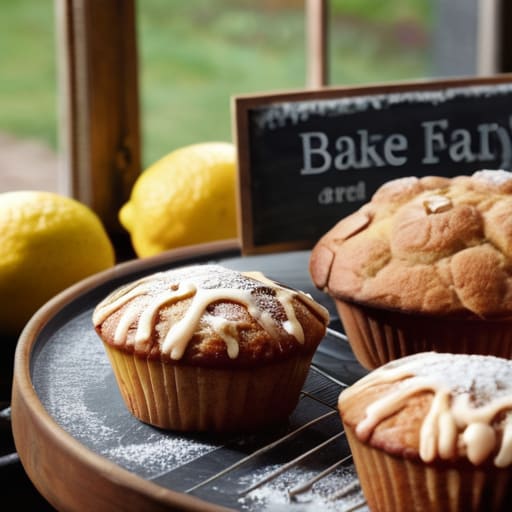
I once walked into a primary school fundraiser where the PTA was panicking because they’d heard they needed a commercial-grade kitchen and a mountain of legal paperwork just to sell some lemon drizzle. It’s a myth that keeps well-meaning parents away, but it’s also a dangerous one. People think that because they aren’t a professional catering firm, the rules don’t apply to them, when in reality, the stakes are exactly the same when a child with a nut allergy takes a bite. Understanding how home baking for school events is regulated isn’t about drowning you in red tape; it’s about making sure you know which specific lines you cannot cross.
I’m not here to give you a lecture on food safety management systems that you’ll never actually use. Instead, I’m going to strip away the jargon and tell you what actually matters: labeling, cross-contamination, and keeping your ingredients transparent. I will show you how to navigate the regulations in a way that is actually sustainable for a busy parent, focusing on the small, boring details that prevent a crisis.
Table of Contents
Navigating Cottage Food Laws for Community Events
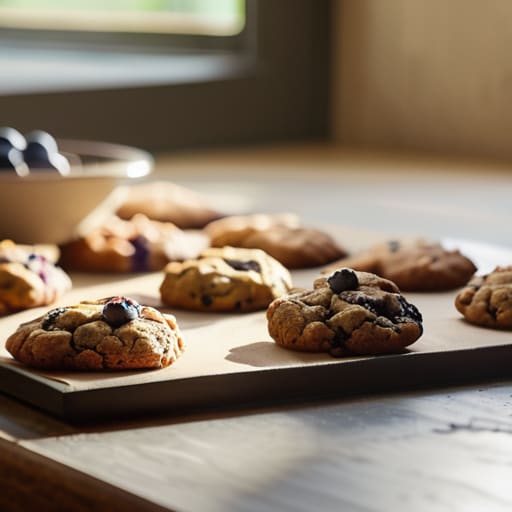
Here is the reality: most people assume that because they are baking in their own kitchen for a charity raffle or a bake sale, the rules don’t apply. That is a dangerous assumption. Depending on where you live, cottage food laws for community events are designed to allow small-scale production, but they aren’t a “get out of jail free” card for safety. These laws usually permit “low-risk” items—think cookies or muffins—but they strictly forbid anything that requires refrigeration, like cream fillings or custard. If you ignore these boundaries, you aren’t just breaking a rule; you’re creating a biological hazard in a room full of children.
Even if your local laws are relaxed, you must nail your labeling requirements for homemade baked goods. I’ve seen too many well-meaning parents hand over a tray of brownies without a single word about what’s inside. In a school setting, “I think it’s nut-free” is not a legal or safety standard. You need to list every major allergen clearly. If you can’t commit to accurate, written ingredient lists, it is better to leave the baking to a professional. It isn’t about being difficult; it’s about making sure a child’s afternoon snack doesn’t become a medical emergency.
Meeting Food Hygiene Standards for School Bake Sales
When I walk into a school kitchen, I don’t look for perfection; I look for discipline. The same applies to your home kitchen when you’re prepping for a bake sale. You don’t need a commercial-grade setup, but you do need to respect food hygiene standards for school bake sales by managing your environment. This means more than just washing your hands; it’s about ensuring your surfaces are actually sanitized and that you aren’t using the same wooden spoon for a nut-based brownie and a plain sponge. If you’re working in a cramped space, cross-contamination is your biggest invisible enemy.
The paperwork side can feel like a headache, but it’s your safety net. I cannot stress enough how vital clear labeling requirements for homemade baked goods are. Don’t just write “Lemon Cake” on a sticky note. If you used flour containing gluten or eggs, it needs to be explicit. In a school setting, a child’s allergy doesn’t care that you “meant well.” Focus on being honest and precise with your ingredients; it’s the only way to ensure your fundraising effort doesn’t turn into a medical emergency.
The Non-Negotiables: Five Ways to Stay on the Right Side of the Law
- Get your allergen labelling sorted before you even preheat the oven. In a school setting, “may contain” isn’t a suggestion; it’s a legal requirement. If you haven’t clearly listed the big hitters—nuts, gluten, dairy, eggs—you aren’t just being unhelpful, you’re being a risk. Write it down on a card, make it legible, and don’t rely on people “just knowing” what’s in your recipe.
- Treat your home kitchen like a professional space for the hour you’re baking. I don’t care if you’re working solo, but I do care if your flour bin is sitting next to an open box of eggs. Separate your prep, keep your surfaces sanitized, and for heaven’s sake, make sure your pets haven’t had access to the counters. If I walked in during your bake, I’d want to see a clean, controlled environment, not a domestic scramble.
- Temperature control is where most people slip up. If you’re making anything with cream, custard, or even certain types of icing, you cannot just leave it sitting on a cooling rack in a warm kitchen for three hours. If it’s high-risk, keep it chilled until the moment it’s ready to be handed over. I’ve seen too many “accidental” food poisoning cases because someone thought a cupcake could survive a warm afternoon on a school hall table.
- Keep a basic paper trail of your ingredients. You don’t need a complex digital management system, but you do need to know exactly which brand of chocolate you used if someone asks about soy or milk content. Keep the packaging or a quick note of the batch/brand. If there’s a recall on a specific ingredient, you need to be able to say, “Yes, I used that, and here is what I did about it.”
- Know the limits of your local “Cottage Food” status. Every council has a different threshold for what you can sell versus what you can donate. If you’re moving from “baking for a friend” to “selling goods for a school fundraiser,” the regulatory scrutiny shifts. Check your local guidelines to see if you need to register as a food business; it’s much easier to do it upfront than to deal with a formal inspection after a complaint.
What You Actually Need to Carry Away
Don’t let the paperwork overwhelm you; focus on the “Big Two”—allergen labelling and temperature control. If you can prove exactly what is in that brownie and ensure it hasn’t been sitting in a warm car for three hours, you’ve already won half the battle.
Treat your home kitchen like a professional one for the hour you’re prepping. That means a clear, deep clean before you start and a dedicated space for your school bake sale items so they don’t end up touching the dog’s food or the raw chicken prep.
If you aren’t 100% sure about an ingredient—especially if it’s a “may contain” situation—don’t guess. In a school setting, “I think it’s nut-free” is a dangerous sentence. If you can’t label it with certainty, leave it off the table.
Frequently Asked Questions
If I'm just baking a batch of brownies for a single school fundraiser, do I actually need to register as a food business with the council?
Technically, if you’re doing this once for a fundraiser, you aren’t “trading” in the eyes of the council, so you don’t need to register as a business. But don’t let that make you lax. Even for a single batch of brownies, the risk doesn’t vanish just because you aren’t a professional. Focus on your cross-contamination controls and keep a clear list of every ingredient used. If a child has an allergic reaction, “it was just a bake sale” won’t hold up.
What's the bare minimum I need to do regarding allergen labeling so I don't accidentally cause a medical emergency at the bake sale?
Look, I’m not going to give you a lecture on cross-contamination, but we need to be blunt: if you can’t guarantee a nut-free environment, you must label every single item clearly. Don’t just say “contains nuts”—list them. If you’re unsure about an ingredient, don’t bake it. The bare minimum? A handwritten card for every tray listing the big allergens: milk, eggs, wheat, nuts, soy, and fish. If it’s a mystery, it’s a risk.
Does the school's own catering policy override the local cottage food laws when I'm bringing in homemade goods?
The short answer? Yes. The school’s policy wins every single time. Think of it this way: cottage food laws are the legal minimum to keep you out of court, but a school’s catering policy is their specific shield against risk. They have a duty of care to those kids that goes far beyond local statutes. If their policy says “no nuts” or “must be commercially labelled,” then your homemade brownies need to meet those specific rules, regardless of what the local council says.